
$36.36
On Hold
Elephant Ears Portulacaria afra Flower Rare Plant Live Garden Plant rare Home Plant FREESHIPPING
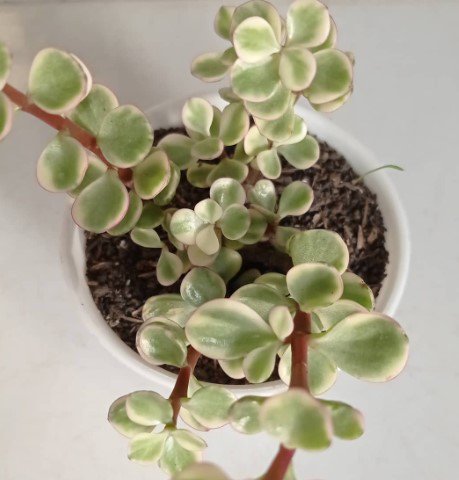
Elephant Ears Portulacaria afra Flower Rare Plant Live Garden Plant rare Home Plant FREESHIPPING
It looks like there's a mix-up in the plant names. **Elephant Ears** typically refers to plants in the genus *Colocasia* or *Alocasia*, known for their large, dramatic leaves. On the other hand, **Portulacaria afra**, commonly known as **Ponytail Plant** or **Elephant Bush**, is a different plant altogether and is a type of succulent.
Here’s how to care for *Portulacaria afra*:
### **Care Tips for Portulacaria afra (Elephant Bush):**
1. **Light:**
- Prefers bright, indirect light. It can also tolerate some direct sunlight, which will help it maintain its compact shape and vibrant green color.
- In lower light conditions, it may become leggy or stretch out.
2. **Water:**
- Water when the soil is completely dry. This plant is drought-tolerant and prefers to be on the drier side rather than overwatered.
- Reduce watering frequency during winter or cooler months when its growth slows down.
3. **Soil:**
- Use a well-draining potting mix. A cactus or succulent mix works well, or you can create your own blend using potting soil, perlite, and sand.
4. **Temperature:**
- Thrives in temperatures between 65-80°F (18-27°C). It can tolerate slightly cooler temperatures but avoid exposure to temperatures below 50°F (10°C).
5. **Humidity:**
- Prefers low to moderate humidity. It is well-suited to the dry air typical of indoor environments.
6. **Fertilization:**
- Feed with a balanced, water-soluble fertilizer diluted to half strength every 4-6 weeks during the growing season (spring and summer). Reduce feeding in fall and winter.
7. **Pruning:**
- Prune to maintain the plant’s shape and to encourage bushier growth. Trim any leggy or overgrown stems to keep the plant looking compact and healthy.
8. **Propagation:**
- Propagate easily from stem cuttings. Allow the cuttings to callus over for a few days before planting them in soil or a propagation medium.
9. **Pests and Problems:**
- Watch for common pests such as mealybugs, spider mites, and aphids. Treat infestations with insecticidal soap or neem oil.
- Overwatering can lead to root rot, so ensure the plant has good drainage and avoid letting it sit in excess water.
10. **Container:**
- Choose a pot with drainage holes to prevent water from accumulating at the bottom and causing root rot.
With its attractive, small leaves and easy care requirements, *Portulacaria afra* makes an excellent addition to indoor succulent collections or outdoor gardens in suitable climates.
In the photo is not factual item...
The size live plant item depends on stock...
Thank you
It looks like there's a mix-up in the plant names. **Elephant Ears** typically refers to plants in the genus *Colocasia* or *Alocasia*, known for their large, dramatic leaves. On the other hand, **Portulacaria afra**, commonly known as **Ponytail Plant** or **Elephant Bush**, is a different plant altogether and is a type of succulent.
Here’s how to care for *Portulacaria afra*:
### **Care Tips for Portulacaria afra (Elephant Bush):**
1. **Light:**
- Prefers bright, indirect light. It can also tolerate some direct sunlight, which will help it maintain its compact shape and vibrant green color.
- In lower light conditions, it may become leggy or stretch out.
2. **Water:**
- Water when the soil is completely dry. This plant is drought-tolerant and prefers to be on the drier side rather than overwatered.
- Reduce watering frequency during winter or cooler months when its growth slows down.
3. **Soil:**
- Use a well-draining potting mix. A cactus or succulent mix works well, or you can create your own blend using potting soil, perlite, and sand.
4. **Temperature:**
- Thrives in temperatures between 65-80°F (18-27°C). It can tolerate slightly cooler temperatures but avoid exposure to temperatures below 50°F (10°C).
5. **Humidity:**
- Prefers low to moderate humidity. It is well-suited to the dry air typical of indoor environments.
6. **Fertilization:**
- Feed with a balanced, water-soluble fertilizer diluted to half strength every 4-6 weeks during the growing season (spring and summer). Reduce feeding in fall and winter.
7. **Pruning:**
- Prune to maintain the plant’s shape and to encourage bushier growth. Trim any leggy or overgrown stems to keep the plant looking compact and healthy.
8. **Propagation:**
- Propagate easily from stem cuttings. Allow the cuttings to callus over for a few days before planting them in soil or a propagation medium.
9. **Pests and Problems:**
- Watch for common pests such as mealybugs, spider mites, and aphids. Treat infestations with insecticidal soap or neem oil.
- Overwatering can lead to root rot, so ensure the plant has good drainage and avoid letting it sit in excess water.
10. **Container:**
- Choose a pot with drainage holes to prevent water from accumulating at the bottom and causing root rot.
With its attractive, small leaves and easy care requirements, *Portulacaria afra* makes an excellent addition to indoor succulent collections or outdoor gardens in suitable climates.
In the photo is not factual item...
The size live plant item depends on stock...
Thank you


 ID, Jawa Timur