
$72.73
On Hold
Live Plant Philodendron Golden Goddess Lemon Lime Home Beautiful Flower Plant FREESHIPPING
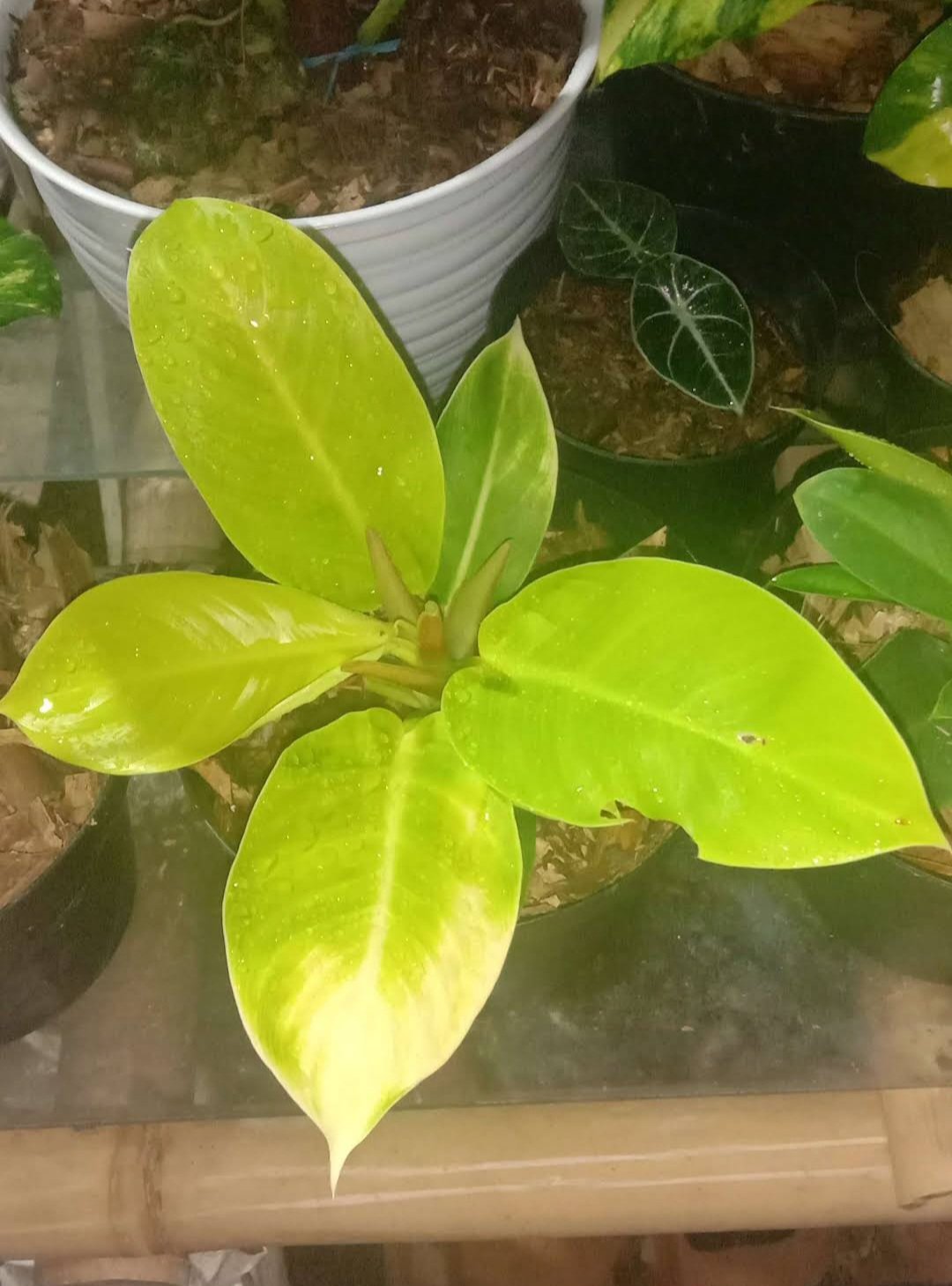
Live Plant Philodendron Golden Goddess Lemon Lime Home Beautiful Flower Plant FREESHIPPING
Philodendrons are popular houseplants known for their attractive foliage and ease of care. Here's a guide on how to grow Philodendrons:
Light: Philodendrons thrive in bright, indirect light. They can tolerate lower light conditions, but their growth may slow down, and they may not produce as many leaves. Avoid direct sunlight, as it can scorch the leaves. Some varieties, like the heartleaf philodendron (Philodendron hederaceum), can tolerate low light conditions.
Watering: Allow the top inch or two of the soil to dry out between waterings. Overwatering can lead to root rot, so it's important to ensure proper drainage and avoid letting the plant sit in water. In general, it's better to underwater than overwater Philodendrons, as they can tolerate short periods of drought.
Humidity: While Philodendrons can adapt to average indoor humidity levels, they thrive in higher humidity environments. Increase humidity by misting the leaves, placing a humidifier nearby, or setting the plant on a tray of pebbles filled with water. Avoid placing the plant near drafts, which can cause dry air.
Temperature: Philodendrons prefer temperatures between 65°F to 80°F (18°C to 27°C). They can tolerate slightly cooler temperatures, but they are sensitive to frost.
Soil: Plant Philodendrons in well-draining potting soil. A mix containing peat moss, perlite, or vermiculite works well. Ensure the pot has drainage holes to prevent waterlogging.
Fertilizing: Feed Philodendrons with a balanced liquid fertilizer diluted to half strength every 4-6 weeks during the growing season (spring and summer). Reduce fertilization in fall and winter when growth slows down.
Pruning: Trim leggy or yellowing stems and remove any dead or damaged leaves to encourage new growth. Pruning can also help maintain the plant's shape and appearance.
Support: Some Philodendron varieties, such as climbing varieties like Philodendron scandens, may benefit from a support structure like a moss pole or trellis to climb on. This can encourage upward growth and prevent the plant from becoming too leggy.
Propagation: Philodendrons can be easily propagated from stem cuttings. Simply cut a healthy stem with several leaves and nodes, and place it in water or moist potting soil until roots develop.
Pest and Disease Control: Monitor for pests such as aphids, spider mites, and scale insects, and treat them as needed with insecticidal soap or neem oil. Keep the plant clean and free of debris to reduce the risk of disease.
By providing the right growing conditions, proper care, and maintenance, you can enjoy healthy and thriving Philodendrons in your home. They are relatively low-maintenance plants that can add beauty to indoor spaces with their lush foliage.
In the photo is not factual item...
The size live plant item depends on stock...
Thank you
Philodendrons are popular houseplants known for their attractive foliage and ease of care. Here's a guide on how to grow Philodendrons:
Light: Philodendrons thrive in bright, indirect light. They can tolerate lower light conditions, but their growth may slow down, and they may not produce as many leaves. Avoid direct sunlight, as it can scorch the leaves. Some varieties, like the heartleaf philodendron (Philodendron hederaceum), can tolerate low light conditions.
Watering: Allow the top inch or two of the soil to dry out between waterings. Overwatering can lead to root rot, so it's important to ensure proper drainage and avoid letting the plant sit in water. In general, it's better to underwater than overwater Philodendrons, as they can tolerate short periods of drought.
Humidity: While Philodendrons can adapt to average indoor humidity levels, they thrive in higher humidity environments. Increase humidity by misting the leaves, placing a humidifier nearby, or setting the plant on a tray of pebbles filled with water. Avoid placing the plant near drafts, which can cause dry air.
Temperature: Philodendrons prefer temperatures between 65°F to 80°F (18°C to 27°C). They can tolerate slightly cooler temperatures, but they are sensitive to frost.
Soil: Plant Philodendrons in well-draining potting soil. A mix containing peat moss, perlite, or vermiculite works well. Ensure the pot has drainage holes to prevent waterlogging.
Fertilizing: Feed Philodendrons with a balanced liquid fertilizer diluted to half strength every 4-6 weeks during the growing season (spring and summer). Reduce fertilization in fall and winter when growth slows down.
Pruning: Trim leggy or yellowing stems and remove any dead or damaged leaves to encourage new growth. Pruning can also help maintain the plant's shape and appearance.
Support: Some Philodendron varieties, such as climbing varieties like Philodendron scandens, may benefit from a support structure like a moss pole or trellis to climb on. This can encourage upward growth and prevent the plant from becoming too leggy.
Propagation: Philodendrons can be easily propagated from stem cuttings. Simply cut a healthy stem with several leaves and nodes, and place it in water or moist potting soil until roots develop.
Pest and Disease Control: Monitor for pests such as aphids, spider mites, and scale insects, and treat them as needed with insecticidal soap or neem oil. Keep the plant clean and free of debris to reduce the risk of disease.
By providing the right growing conditions, proper care, and maintenance, you can enjoy healthy and thriving Philodendrons in your home. They are relatively low-maintenance plants that can add beauty to indoor spaces with their lush foliage.
In the photo is not factual item...
The size live plant item depends on stock...
Thank you


 ID, Jawa Timur