
$139.89
On Hold
Live Plant Variegated Philodendron Florida beauty home Beautiful Flower Plant FREESHIPPING
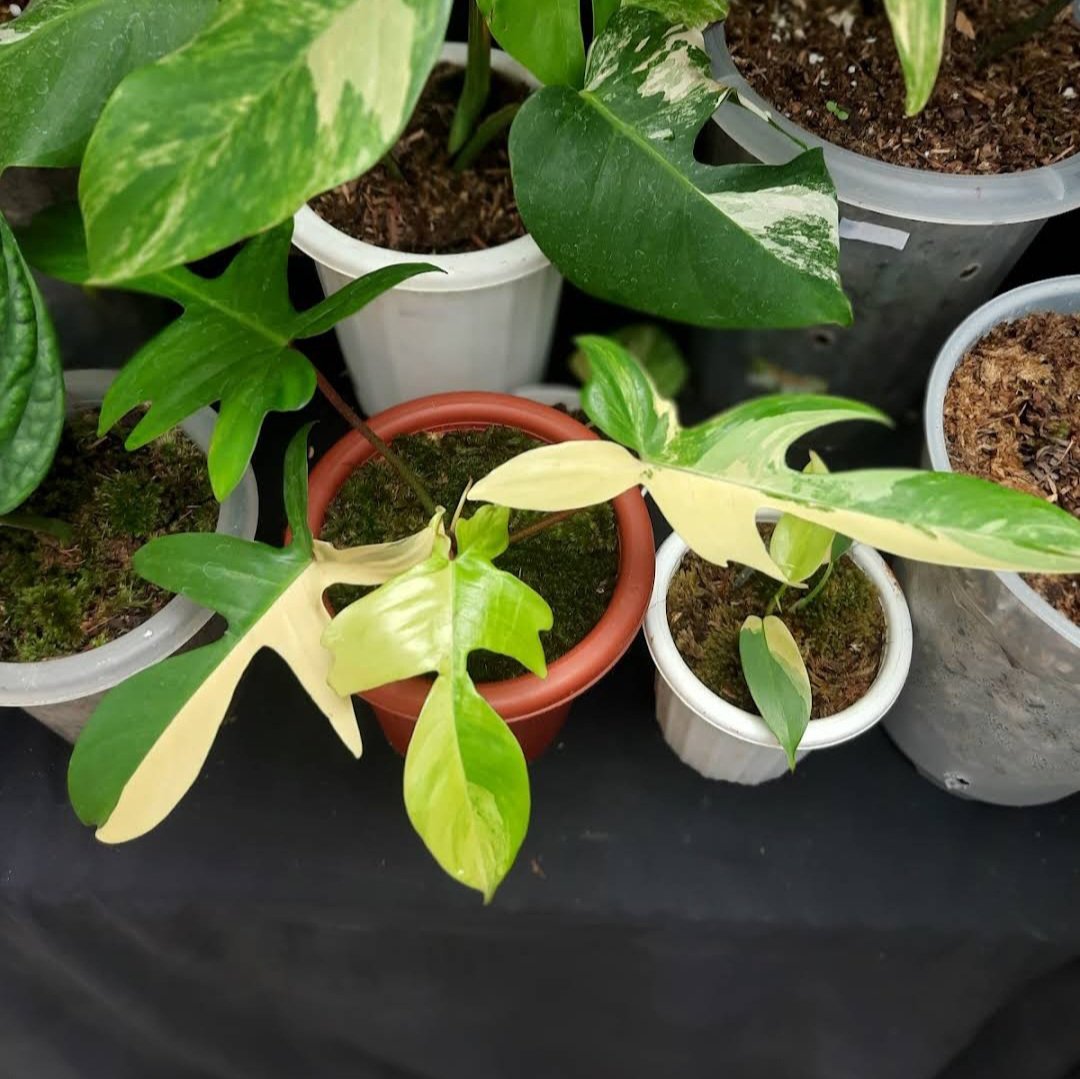
Live Plant Variegated Philodendron Florida beauty home Beautiful Flower Plant FREESHIPPING
Philodendrons are popular tropical houseplants known for their attractive foliage and low-maintenance care requirements. Here's how to grow and care for Philodendrons:
Light: Philodendrons prefer bright, indirect light. They can tolerate lower light conditions, but their growth may slow down, and variegated varieties may lose their markings. Avoid direct sunlight, as it can scorch their leaves.
Temperature: Philodendrons prefer temperatures between 65-85°F (18-29°C). They can tolerate slightly cooler temperatures but should be protected from drafts and cold temperatures.
Watering: Keep the soil consistently moist but not waterlogged. Water your Philodendron when the top inch of soil feels dry to the touch. Allow excess water to drain out of the pot to prevent waterlogging and root rot. Adjust watering frequency based on environmental conditions and the plant's growth stage.
Humidity: Philodendrons thrive in moderate to high humidity environments. If your home has low humidity, you can increase humidity by misting the leaves regularly, placing a humidifier nearby, or grouping plants together to create a microclimate.
Soil: Use a well-draining potting mix for Philodendrons. A mix of peat moss, perlite, and compost works well. Good drainage is crucial to prevent waterlogging.
Fertilization: Feed your Philodendron with a balanced liquid fertilizer diluted to half strength every 4-6 weeks during the growing season (spring and summer). Reduce fertilization in fall and winter when growth slows down.
Pruning: Trim back any leggy or unruly growth to maintain the plant's shape and promote bushier growth. Remove any yellowing or damaged leaves regularly to keep the plant healthy and attractive.
Support: Some Philodendron varieties are climbers and may benefit from a moss pole, trellis, or other support structure to climb. Providing support encourages upward growth and prevents the plant from becoming leggy.
Repotting: Repot your Philodendron when it outgrows its current pot or if the soil becomes compacted. Repotting is typically done every 1-2 years in spring. Choose a pot that is slightly larger than the current one and refresh the soil to provide fresh nutrients.
Propagation: Philodendrons are easy to propagate through stem cuttings. Simply cut a healthy stem below a node and place it in water or moist soil. Roots should develop within a few weeks, and you can then transplant the cutting into its own pot.
With proper care and attention to their specific needs, Philodendrons can thrive indoors, adding beauty and greenery to your home or office space.
In the photo is not factual item...
The size live plant item depends on stock...
Thank you
Philodendrons are popular tropical houseplants known for their attractive foliage and low-maintenance care requirements. Here's how to grow and care for Philodendrons:
Light: Philodendrons prefer bright, indirect light. They can tolerate lower light conditions, but their growth may slow down, and variegated varieties may lose their markings. Avoid direct sunlight, as it can scorch their leaves.
Temperature: Philodendrons prefer temperatures between 65-85°F (18-29°C). They can tolerate slightly cooler temperatures but should be protected from drafts and cold temperatures.
Watering: Keep the soil consistently moist but not waterlogged. Water your Philodendron when the top inch of soil feels dry to the touch. Allow excess water to drain out of the pot to prevent waterlogging and root rot. Adjust watering frequency based on environmental conditions and the plant's growth stage.
Humidity: Philodendrons thrive in moderate to high humidity environments. If your home has low humidity, you can increase humidity by misting the leaves regularly, placing a humidifier nearby, or grouping plants together to create a microclimate.
Soil: Use a well-draining potting mix for Philodendrons. A mix of peat moss, perlite, and compost works well. Good drainage is crucial to prevent waterlogging.
Fertilization: Feed your Philodendron with a balanced liquid fertilizer diluted to half strength every 4-6 weeks during the growing season (spring and summer). Reduce fertilization in fall and winter when growth slows down.
Pruning: Trim back any leggy or unruly growth to maintain the plant's shape and promote bushier growth. Remove any yellowing or damaged leaves regularly to keep the plant healthy and attractive.
Support: Some Philodendron varieties are climbers and may benefit from a moss pole, trellis, or other support structure to climb. Providing support encourages upward growth and prevents the plant from becoming leggy.
Repotting: Repot your Philodendron when it outgrows its current pot or if the soil becomes compacted. Repotting is typically done every 1-2 years in spring. Choose a pot that is slightly larger than the current one and refresh the soil to provide fresh nutrients.
Propagation: Philodendrons are easy to propagate through stem cuttings. Simply cut a healthy stem below a node and place it in water or moist soil. Roots should develop within a few weeks, and you can then transplant the cutting into its own pot.
With proper care and attention to their specific needs, Philodendrons can thrive indoors, adding beauty and greenery to your home or office space.
In the photo is not factual item...
The size live plant item depends on stock...
Thank you


 ID, Jawa Timur