
$139.89
On Hold
Live Plant Charming MILTONIOPSIS BREATHLESS 'FLORENCE' Orchid Flower Plant FREESHIPPING
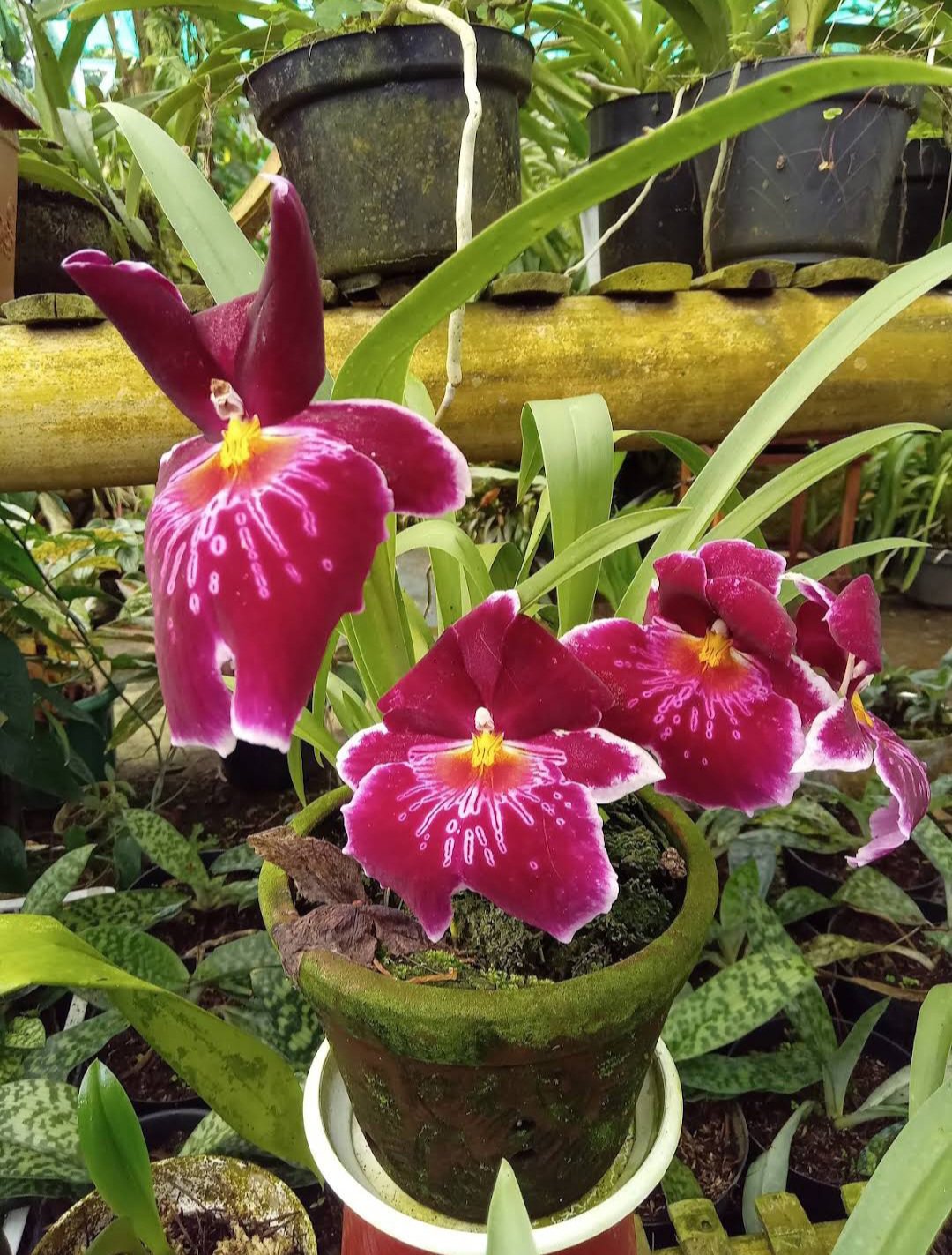
Live Plant Charming MILTONIOPSIS BREATHLESS 'FLORENCE' Orchid Flower Plant FREESHIPPING
Light: Orchids typically need plenty of indirect light. Place them near a window where they can receive bright, filtered light. Avoid direct sunlight as it can scorch the leaves.
Temperature: Most orchids prefer temperatures between 60°F to 80°F (15°C to 27°C) during the day and a slight drop at night. However, specific temperature requirements may vary depending on the type of orchid you're growing, so it's essential to research the specific needs of your orchid species.
Humidity: Orchids thrive in environments with high humidity. You can increase humidity levels by using a humidifier, placing a tray of water filled with pebbles beneath the orchid pot (make sure the pot isn't sitting directly in water), or grouping orchids together to create a microclimate.
Watering: Orchids generally don't like to sit in water, so it's crucial not to overwater them. Allow the potting medium to dry out slightly between waterings, and then water thoroughly. Orchids potted in bark or sphagnum moss usually need watering every 7-10 days, but again, this can vary depending on the type of orchid and environmental conditions.
Potting Medium: Orchids are often potted in a mix of bark, sphagnum moss, perlite, or other well-draining materials. Repot orchids every 1-2 years or when the potting medium begins to break down.
Fertilizing: Use a balanced orchid fertilizer diluted to half-strength, and apply it every 2-4 weeks during the growing season (spring and summer). Reduce or stop fertilizing during the dormant season (fall and winter).
Air Circulation: Good air circulation is essential for orchids to prevent fungal and bacterial diseases. Use a fan to promote air movement around your orchids.
Pruning: Remove dead or yellowing leaves and spent flower spikes to encourage new growth and flowering.
Pest and Disease Control: Keep an eye out for common orchid pests like aphids, scale, mealybugs, and spider mites. Treat infestations promptly with insecticidal soap or horticultural oil. Also, be vigilant for signs of diseases such as root rot, and take appropriate measures if detected.
Patience and Observation: Orchids can be slow to grow and may not bloom for several months or even years, depending on the species. Be patient and observe your orchids regularly to understand their individual needs and growth patterns.
Remember that different species of orchids may have specific care requirements, so it's essential to research the particular needs of the orchid species you are growing. Additionally, joining orchid societies or forums can be helpful for getting advice from experienced orchid growers and enthusiasts.
In the photo is not factual item...
The size live plant item depends on stock...
Thank you
Light: Orchids typically need plenty of indirect light. Place them near a window where they can receive bright, filtered light. Avoid direct sunlight as it can scorch the leaves.
Temperature: Most orchids prefer temperatures between 60°F to 80°F (15°C to 27°C) during the day and a slight drop at night. However, specific temperature requirements may vary depending on the type of orchid you're growing, so it's essential to research the specific needs of your orchid species.
Humidity: Orchids thrive in environments with high humidity. You can increase humidity levels by using a humidifier, placing a tray of water filled with pebbles beneath the orchid pot (make sure the pot isn't sitting directly in water), or grouping orchids together to create a microclimate.
Watering: Orchids generally don't like to sit in water, so it's crucial not to overwater them. Allow the potting medium to dry out slightly between waterings, and then water thoroughly. Orchids potted in bark or sphagnum moss usually need watering every 7-10 days, but again, this can vary depending on the type of orchid and environmental conditions.
Potting Medium: Orchids are often potted in a mix of bark, sphagnum moss, perlite, or other well-draining materials. Repot orchids every 1-2 years or when the potting medium begins to break down.
Fertilizing: Use a balanced orchid fertilizer diluted to half-strength, and apply it every 2-4 weeks during the growing season (spring and summer). Reduce or stop fertilizing during the dormant season (fall and winter).
Air Circulation: Good air circulation is essential for orchids to prevent fungal and bacterial diseases. Use a fan to promote air movement around your orchids.
Pruning: Remove dead or yellowing leaves and spent flower spikes to encourage new growth and flowering.
Pest and Disease Control: Keep an eye out for common orchid pests like aphids, scale, mealybugs, and spider mites. Treat infestations promptly with insecticidal soap or horticultural oil. Also, be vigilant for signs of diseases such as root rot, and take appropriate measures if detected.
Patience and Observation: Orchids can be slow to grow and may not bloom for several months or even years, depending on the species. Be patient and observe your orchids regularly to understand their individual needs and growth patterns.
Remember that different species of orchids may have specific care requirements, so it's essential to research the particular needs of the orchid species you are growing. Additionally, joining orchid societies or forums can be helpful for getting advice from experienced orchid growers and enthusiasts.
In the photo is not factual item...
The size live plant item depends on stock...
Thank you


 ID, Jawa Timur