
$8.38
On Hold
200 Seeds Plant YELLOW CRACKERJACK MARIGOLD Flower Plant Home Grown Garden Plant EMER
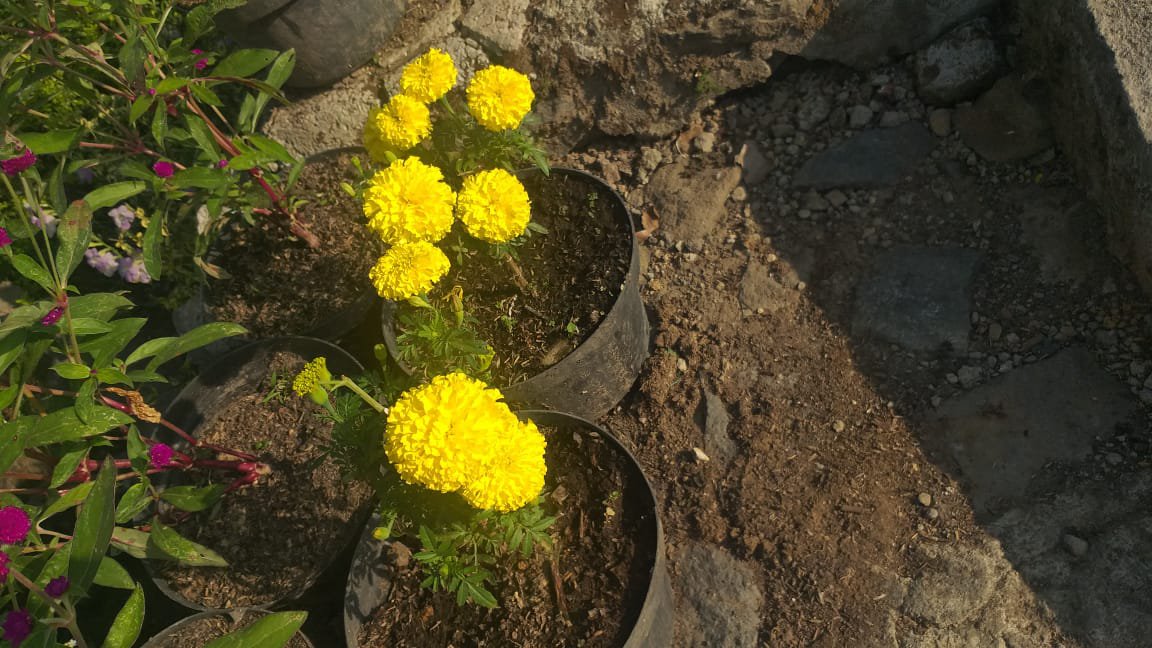
200 Seeds Plant YELLOW CRACKERJACK MARIGOLD Flower Plant Home Grown Garden Plant EMER
Marigolds are popular annual flowers known for their bright, cheerful blooms and easy care. Here's a guide to growing marigolds:
Choose the right location: Marigolds prefer full sun but can tolerate partial shade. Select a planting location with well-draining soil. Marigolds are not too picky about soil fertility but perform best in soil that is rich in organic matter.
Planting time: Marigolds can be started from seeds indoors 4-6 weeks before the last expected frost date or sown directly into the garden after the danger of frost has passed. In warmer climates, marigolds can be planted year-round.
Soil preparation: Prepare the planting area by loosening the soil and incorporating compost or aged manure to improve fertility and drainage. Marigolds prefer slightly acidic to neutral soil pH (around 6.0 to 7.0).
Spacing: Space marigold plants according to their mature size. French marigolds (Tagetes patula) typically grow 6-12 inches tall and should be spaced 6-9 inches apart, while African marigolds (Tagetes erecta) can reach heights of 1-3 feet and should be spaced 12-18 inches apart.
Watering: Water newly planted marigolds regularly to establish roots. Once established, water the plants deeply but infrequently, allowing the top inch of soil to dry out between waterings. Marigolds are drought-tolerant once established but benefit from regular watering during dry periods.
Fertilization: Marigolds are not heavy feeders but can benefit from a balanced fertilizer application once or twice during the growing season. Avoid high-nitrogen fertilizers, as they can promote excessive foliage growth at the expense of flowers.
Deadheading: Remove faded flowers regularly to encourage continuous blooming throughout the growing season. This process, known as deadheading, also helps prevent the plant from self-seeding excessively.
Mulching: Apply a layer of mulch around marigold plants to help retain soil moisture, suppress weeds, and maintain a consistent soil temperature. Organic mulches like shredded bark or compost work well.
Pest and disease management: Marigolds are relatively resistant to pests and diseases, but they may occasionally be affected by aphids, spider mites, or powdery mildew. Monitor your plants regularly and treat any pest or disease problems promptly with insecticidal soap or fungicides as needed.
Companion planting: Marigolds are often used as companion plants to repel pests such as nematodes, whiteflies, and aphids. Planting marigolds near vegetables and other susceptible plants can help deter pests.
By following these tips, you can grow marigolds successfully and enjoy their vibrant blooms throughout the growing season.
In the photo is not factual item...
The size live plant item depends on stock...
Thank you
Marigolds are popular annual flowers known for their bright, cheerful blooms and easy care. Here's a guide to growing marigolds:
Choose the right location: Marigolds prefer full sun but can tolerate partial shade. Select a planting location with well-draining soil. Marigolds are not too picky about soil fertility but perform best in soil that is rich in organic matter.
Planting time: Marigolds can be started from seeds indoors 4-6 weeks before the last expected frost date or sown directly into the garden after the danger of frost has passed. In warmer climates, marigolds can be planted year-round.
Soil preparation: Prepare the planting area by loosening the soil and incorporating compost or aged manure to improve fertility and drainage. Marigolds prefer slightly acidic to neutral soil pH (around 6.0 to 7.0).
Spacing: Space marigold plants according to their mature size. French marigolds (Tagetes patula) typically grow 6-12 inches tall and should be spaced 6-9 inches apart, while African marigolds (Tagetes erecta) can reach heights of 1-3 feet and should be spaced 12-18 inches apart.
Watering: Water newly planted marigolds regularly to establish roots. Once established, water the plants deeply but infrequently, allowing the top inch of soil to dry out between waterings. Marigolds are drought-tolerant once established but benefit from regular watering during dry periods.
Fertilization: Marigolds are not heavy feeders but can benefit from a balanced fertilizer application once or twice during the growing season. Avoid high-nitrogen fertilizers, as they can promote excessive foliage growth at the expense of flowers.
Deadheading: Remove faded flowers regularly to encourage continuous blooming throughout the growing season. This process, known as deadheading, also helps prevent the plant from self-seeding excessively.
Mulching: Apply a layer of mulch around marigold plants to help retain soil moisture, suppress weeds, and maintain a consistent soil temperature. Organic mulches like shredded bark or compost work well.
Pest and disease management: Marigolds are relatively resistant to pests and diseases, but they may occasionally be affected by aphids, spider mites, or powdery mildew. Monitor your plants regularly and treat any pest or disease problems promptly with insecticidal soap or fungicides as needed.
Companion planting: Marigolds are often used as companion plants to repel pests such as nematodes, whiteflies, and aphids. Planting marigolds near vegetables and other susceptible plants can help deter pests.
By following these tips, you can grow marigolds successfully and enjoy their vibrant blooms throughout the growing season.
In the photo is not factual item...
The size live plant item depends on stock...
Thank you


 ID, Jawa Timur